• April 16, 2026
  • 30 Degree
  • New Yourk
#All #Sekai_Gyakuten #Z Templates #Medical Negligence #Case Study

Fledgling AI trial spots breast cancer missed by doctors

Fledgling AI trial spots breast cancer
84 / 100 SEO Score

Fledgling AI trial spots breast cancer

*1

Fledgling AI trial spots breast cancer missed by doctors

Introduction to the Promising AI Breakthrough

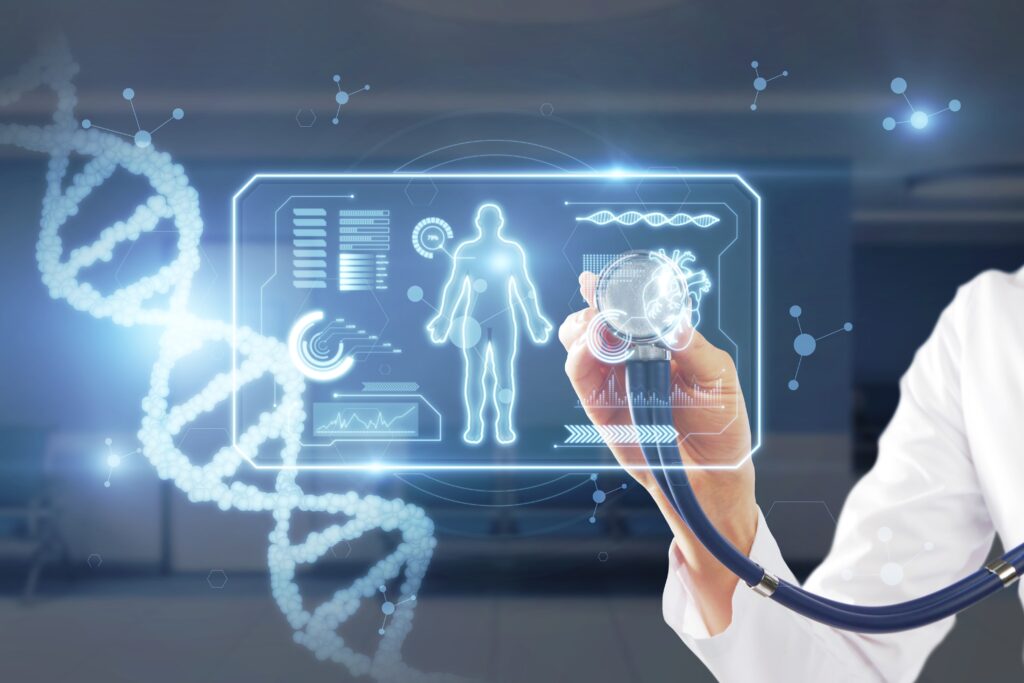
In the continuous effort to detect cancers earlier, including breast cancer, for timely and effective treatment, a new experimental artificial intelligence system has shown impressive ability to identify potential abnormalities that human doctors sometimes overlook.

This development comes at a critical time when early detection remains key to improving patient outcomes.

Breast Cancer Prevalence and Importance of Early Detection

Breast cancer stands as the most common cancer affecting women. Statistics indicate that approximately one in eight women will develop it during their lifetime.

When tumours are discovered early through screening programs, they are generally easier to treat. Survival rates improve significantly if the cancer is caught before it has a chance to spread to other parts of the body.

These facts highlight why advancements in screening technology hold such great potential for saving lives.

Current NHS Breast Screening Process

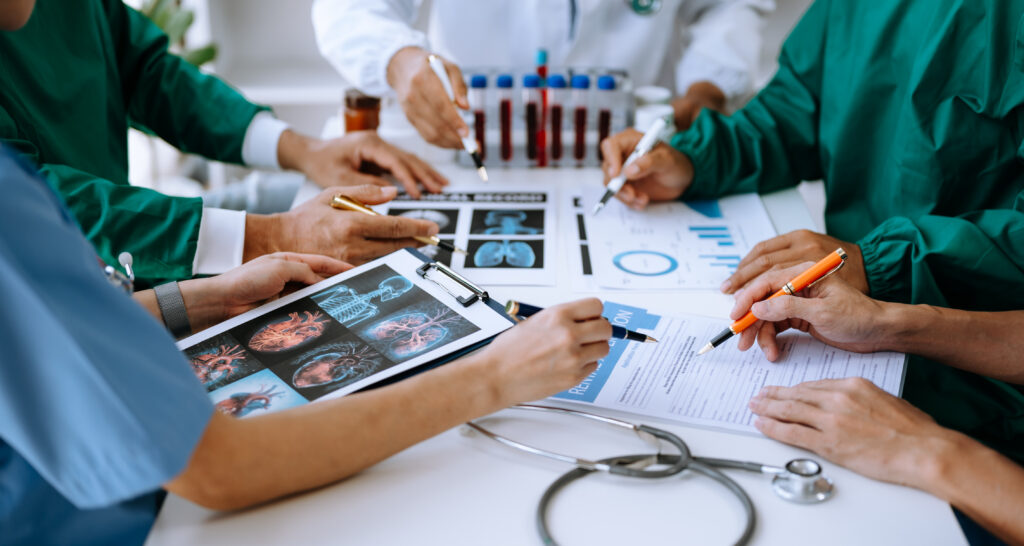
Under the existing NHS breast screening programme, every mammogram undergoes independent review by two specialist radiologists. In cases where the two readers disagree, the scans go to senior clinicians for further assessment.

This double-reading approach aims to minimise missed diagnoses and ensure high accuracy in identifying potential issues.

How the AI Trial Was Structured

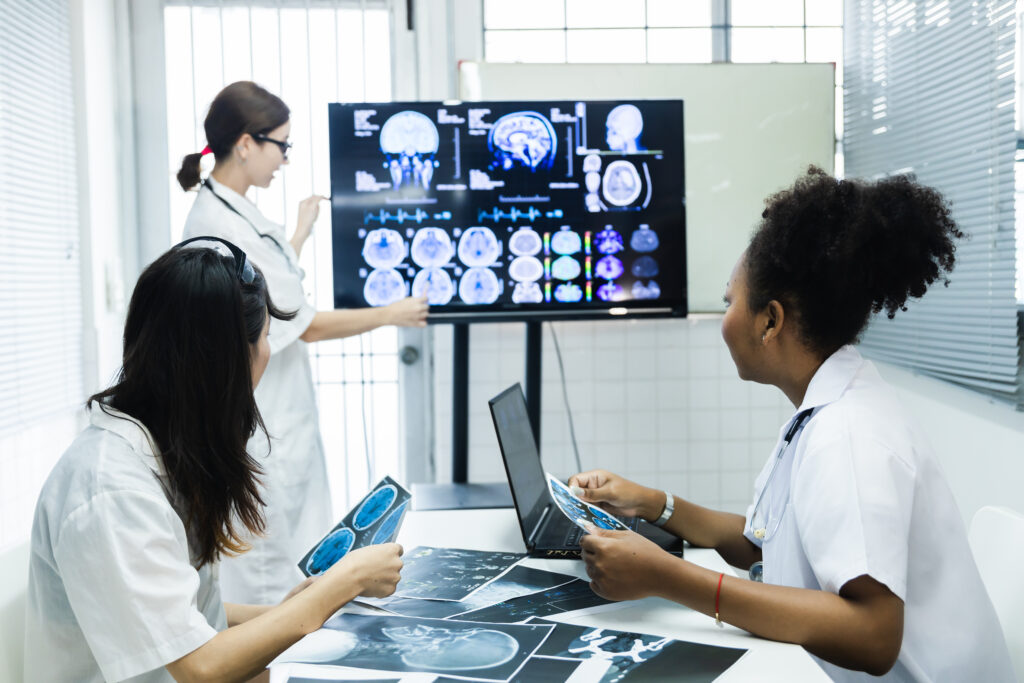
In this innovative trial, researchers replaced one of the two human readers with an AI system. The AI acted as a supportive tool, analysing mammograms alongside the remaining radiologist.

This setup tested whether AI could maintain or even enhance detection standards while potentially easing the burden on medical staff.

The approach represents a step toward integrating technology more deeply into routine healthcare practices.

Key Achievement: Spotting Interval Cancers

One of the most significant findings was the AI's performance on interval cancers. These are tumours that go undetected during routine screening but appear and get diagnosed in the period between scheduled screenings.

The AI successfully highlighted around a quarter of these interval cancers on earlier mammograms, where human readers had initially missed them.

Catching such cancers sooner could dramatically change treatment paths and prognosis for affected patients.

Categories: Medical Negligence, Cancer Claims, Breast Cancer, AI in Healthcare

Keywords: breast cancer detection, AI trial, NHS screening, interval cancers, early diagnosis, mammogram analysis

*2

Fledgling AI trial spots breast cancer missed by doctors

Overall Impact on Detection Rates

The trial, led by the University of Aberdeen, demonstrated that combining AI with human review increased overall breast cancer detection rates by 10 per cent compared to standard double human reading.

This improvement suggests AI can serve as a reliable additional layer of scrutiny in the screening process.

Potential Efficiency Gains for the NHS

Experts involved in the research noted that AI technology has the capacity to make doctors roughly twice as effective in reviewing breast scans. It does this by substantially cutting down the number of mammograms that require detailed human examination.
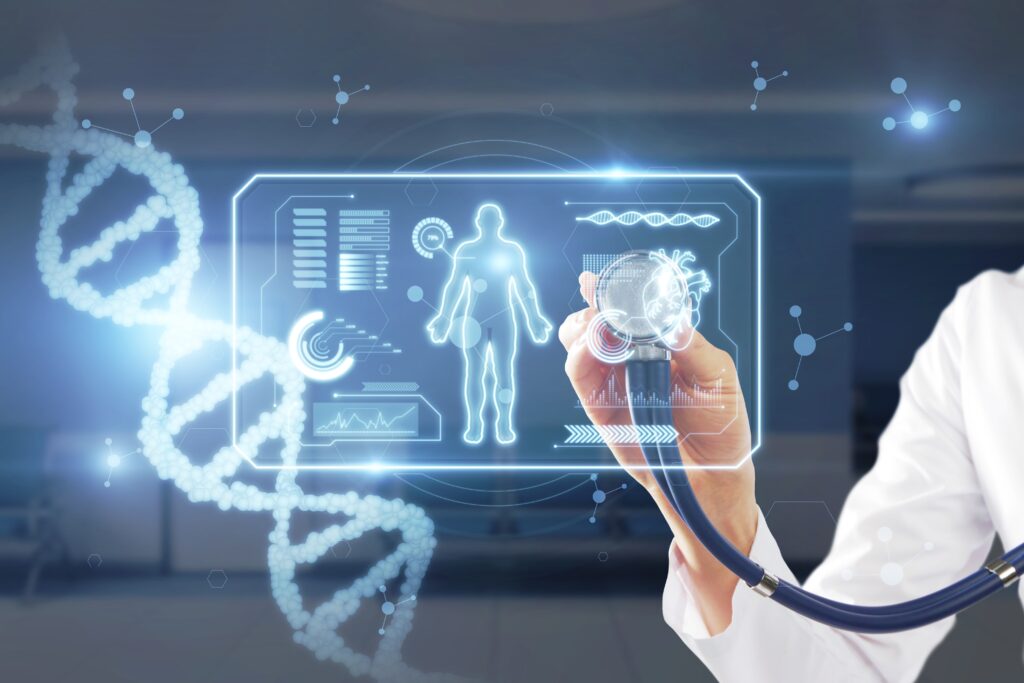
With the NHS facing ongoing pressures and staff shortages, such workload reductions could prove invaluable in maintaining service quality and speed.

Fewer unnecessary reviews would free up radiologists to focus on more complex cases or other priorities.

A separate but related study conducted in parallel with the main trial reinforced these findings. It indicated that AI systems could detect up to a quarter of breast cancers that human specialists had initially overlooked on mammograms.

Together, these results point toward a future where AI acts as a powerful assistant rather than a replacement for skilled clinicians.

Implications for Patients and Healthcare Systems

The emergence of such AI tools offers hope for reducing delayed diagnoses and missed opportunities in cancer care. Earlier intervention often leads to less invasive treatments and better long-term survival chances.

For an overstretched healthcare system like the NHS, integrating proven AI could help address backlogs while upholding high standards of accuracy.

Continued research and larger-scale trials will be essential to confirm safety, reliability, and widespread applicability.

Looking Ahead

While still in early stages, this fledgling trial marks an encouraging milestone in the application of artificial intelligence to medical imaging. It underscores the potential for technology to complement human expertise in the fight against breast cancer.

As further evaluations progress, AI-assisted screening may become a standard component of preventive healthcare strategies.

Categories: Medical Negligence, Cancer Claims, Breast Cancer, AI in Healthcare

Keywords: breast cancer detection, AI trial, NHS screening, interval cancers, early diagnosis, mammogram analysis, University of Aberdeen

*3
https://sekaigyakuten.jp - A DePRESSeD Media Ltd Website - Cospanic Entertainment Video
https://banzaijapan.jp - A DePRESSeD Media Ltd Website - Cospanic Entertainment Video
*4

Medical Disclaimer

Medical Disclaimer: You understand that any information and content, such as text, graphics, and images, found within our Website is for general educational, entertainment, and informational purposes only.

You understand that such information is not intended nor otherwise implied to be medical advice or a substitute for medical advice, diagnosis, or treatment.(Case Study or News article) 

Full Terms

*5

Medical negligence

Medical negligence, also known as clinical negligence (particularly in the UK), occurs when a healthcare professional provides substandard care that falls below the reasonable standard expected of a competent practitioner in similar circumstances, directly causing harm or injury to a patient.To succeed in a claim, four key elements (often referred to as the “4 Ds”) must typically be proven:

  1. Duty of care — A doctor-patient or similar professional relationship existed, establishing that the healthcare provider owed the patient a duty to provide competent treatment.
  2. Breach of duty (or deviation from the standard of care) — The care provided was negligent, meaning it did not meet the accepted professional standards. This is assessed objectively, often with input from independent medical experts, rather than requiring “gold standard” treatment.
  3. Causation — The breach directly caused (or significantly contributed to) the patient’s injury or worsened condition. The harm must be more likely than not attributable to the substandard care.
  4. Damage — The patient suffered actual harm, which may include physical injury, psychological distress, financial loss, additional medical needs, or reduced quality of life.

Common examples include misdiagnosis, delayed diagnosis, surgical errors, incorrect medication, failure to obtain informed consent, or inadequate aftercare. Not every poor outcome or medical mistake constitutes negligence—only those deviating from reasonable professional standards and causing avoidable harm qualify.In the UK, claims are pursued through the civil justice system, often against the NHS or private providers, with the goal of securing compensation to address losses and support recovery. Medical negligence cases can be complex, requiring expert evidence and strict time limits for claims.

*6

Apply For Jobs Here

Apply For Jobs Here

Lorem ipsum dolor sit amet consectetur adipiscing elit dolor

Apply For Jobs Here

Apply For Jobs Here

Lorem ipsum dolor sit amet consectetur adipiscing elit dolor
*7
*8

Lorem ipsum dolor sit amet, consectetur adipiscing elit. Ut elit tellus, luctus nec ullamcorper mattis, pulvinar dapibus leo.

*9

Medical negligence case lasts 27 years

Dudley hospital trust admits negligence

Hospital trusts negligence payouts extremely worrying

Nearly 800 negligence and injury claims in north Wales

Curb rising NHS negligence payouts health leaders urge

The inside story of a six year old boys death And the trainee doctor who took the blame

Brain damaged boy 6 awarded £37m in NHS compensation

Failing NHS negligence system must change

Ulster Hospital Damages awarded to mother over treatment

Northern Ireland medical negligence costs double in a year

Relatives cant sue medics for distress court says

*10
84 / 100 SEO Score

Authors

Fledgling AI trial spots breast cancer missed by doctors

No Win No Fee Hospital Negligence Claims:

Fledgling AI trial spots breast cancer missed by doctors

Mother rues a lack of answers after

Leave a comment

Your email address will not be published. Required fields are marked *